
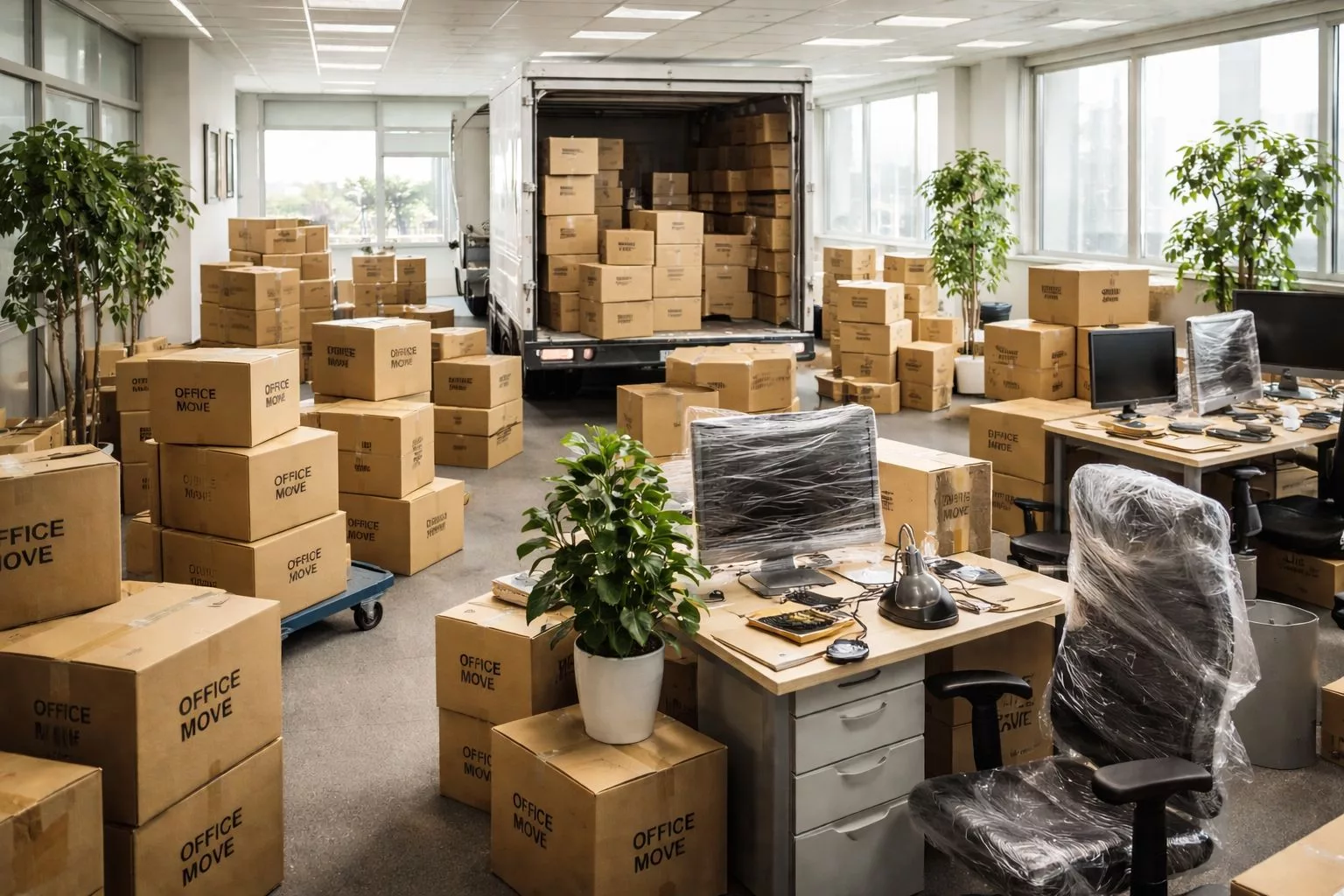
Office Moves Explained: How to Relocate Your Business Without Disruption
Office moves are completely different to house moves 🏢
The biggest risk isn’t just damage — it’s downtime. Every hour your business isn’t operating properly costs money, creates pressure for staff, and can impact your customers.
That’s why office moves need proper planning, structure, and the right team behind them. When done properly, the move feels controlled, not chaotic.
Why Office Moves Go Wrong ⚠️
Most office moves don’t fail because of one big issue.
Instead, they fall apart due to small problems that weren’t planned for. For example, poor labelling, unclear responsibilities, or last-minute decisions can quickly slow everything down.
As a result, what should be a smooth relocation turns into unnecessary stress.
Before the Move: Planning Is Everything 📋
A successful office move always starts with a clear plan.
Unlike a house move, you’re relocating a working environment, not just furniture. Therefore, organisation at this stage makes all the difference later.
Before moving day, you should:
• Assign someone to manage the move
• Identify what’s moving and what’s not
• Plan access and parking
• Think about how your team will transition
This stage is what protects your business from disruption.
Packing an Office Properly 📦
Packing is where most office moves either succeed or fall apart.
If everything is packed without a system, unpacking becomes slow and frustrating. However, when done properly, everything flows into place quickly at the new premises.
Each team or department should:
• Use clearly labelled boxes
• Keep cables with their equipment
• Label desks or workstations
• Separate important or sensitive items
This keeps everything organised and easy to rebuild.
IT Equipment: The Critical Part 💻
This is where office moves are very different.
Your IT systems keep your business running, so they need careful handling and planning. Without this, even a well-executed move can cause major delays.
Before moving:
• Back up all systems
• Label cables and connections
• Arrange IT support if needed
Getting this right means your team can get back to work quickly.
Moving Day: How It Should Run 🚚
On the day, everything should follow a structured plan.
A professional team doesn’t just turn up and start loading. Instead, the move is handled in stages to keep everything controlled and efficient.
This includes:
• A clear walkthrough at the start
• Assigned roles for the team
• Safe handling and loading
• Placing items correctly at the new site
This is what keeps things calm and organised throughout the day.
Minimising Downtime ⏱️
The goal of office moves isn’t just transport — it’s continuity.
That’s why many businesses choose to:
• Move outside working hours
• Relocate in phases
• Prioritise key areas first
Even small planning decisions here can save hours of lost productivity.
Common Mistakes That Cost Time ❌
From experience, these are the issues that slow office moves down the most:
• No clear labelling system
• IT left until the last minute
• Staff unsure what’s moving
• Access not planned properly
• Trying to rush the process
Avoiding these keeps your move efficient and stress-free.
Final Thought
A well-planned office move doesn’t feel rushed or chaotic.
Instead, it feels structured, organised, and under control — allowing your business to get back up and running as quickly as possible.
That’s the difference between simply moving items… and moving a business properly.
Call to Action
If you’re planning an office move and want it handled properly from start to finish:
Or get in touch for a quote and a clear plan tailored to your business.